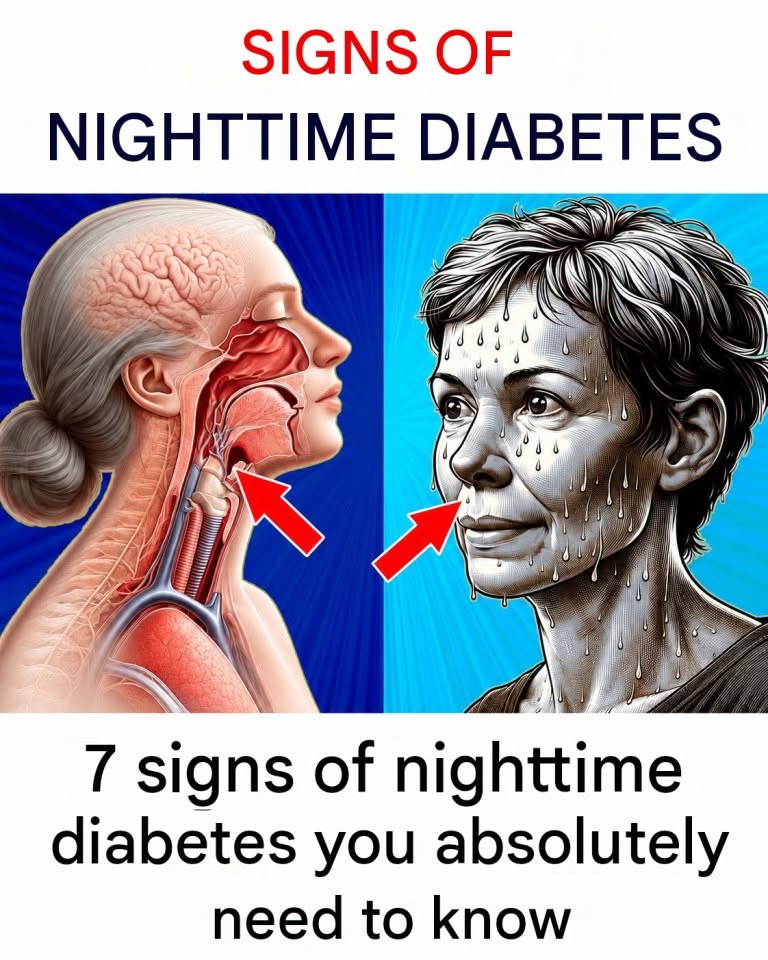
In diabetics, these intense sweats can signal nocturnal hypoglycemia, meaning abnormally low blood sugar levels during the night.Hospitals and clinics
Several triggers can be responsible, such as certain medications, intensive insulin treatments, an unbalanced diet, or excessively vigorous exercise in the evening. To effectively manage night sweats, it is crucial to:
Monitor blood glucose levels regularly, especially in the evening.
Identify and adjust potential triggers.
Review medication dosages under the supervision of a healthcare professional .
Having an easily accessible source of glucose on hand, such as glucose tablets or
There’s more to discover. Continue to the next page for the rest of this article.