are some approaches:Sleep disorders
Maintaining optimal blood glucose levels to reduce the risk of neuropathy.
Adopting lifestyle habits such as reducing caffeine and alcohol consumption.
Practice exercise regularly, but without excess.
Massages, applications of hot or cold packs, and relaxation techniques can provide relief.
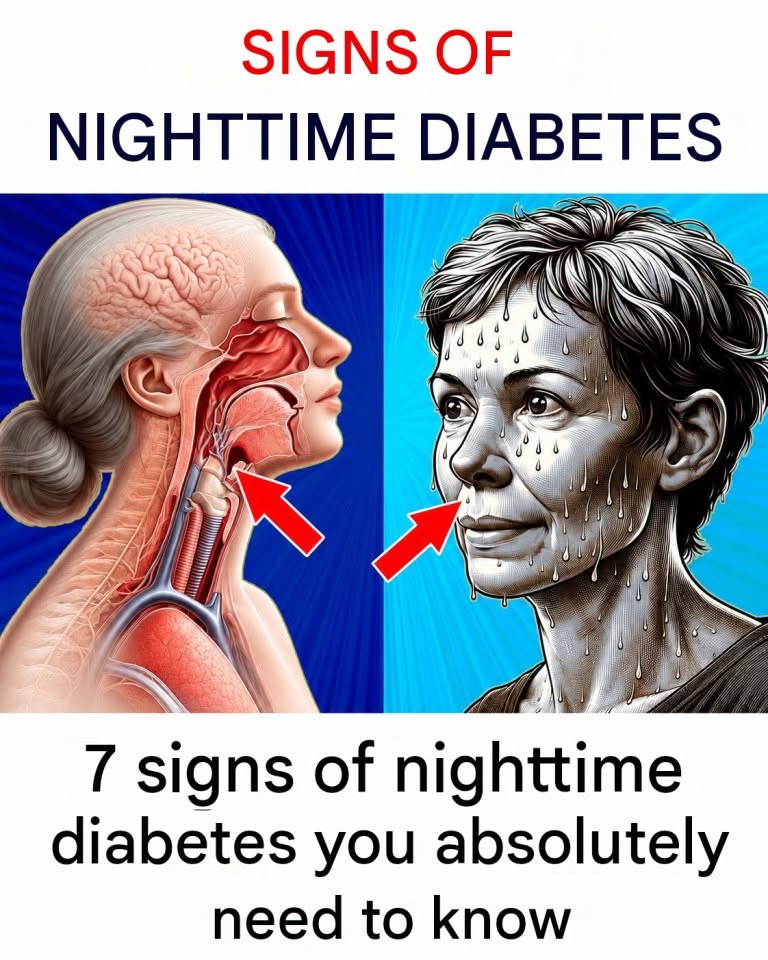
Sleep apnea is a disorder characterized by pauses in breathing or shallow breathing during sleep, leading to frequent awakenings. This condition is particularly concerning for diabetics, as interrupted sleep and reduced oxygen levels can lead to insulin resistance and poor blood sugar control.
Often linked
There’s more to discover. Continue to the next page for the rest of this article.