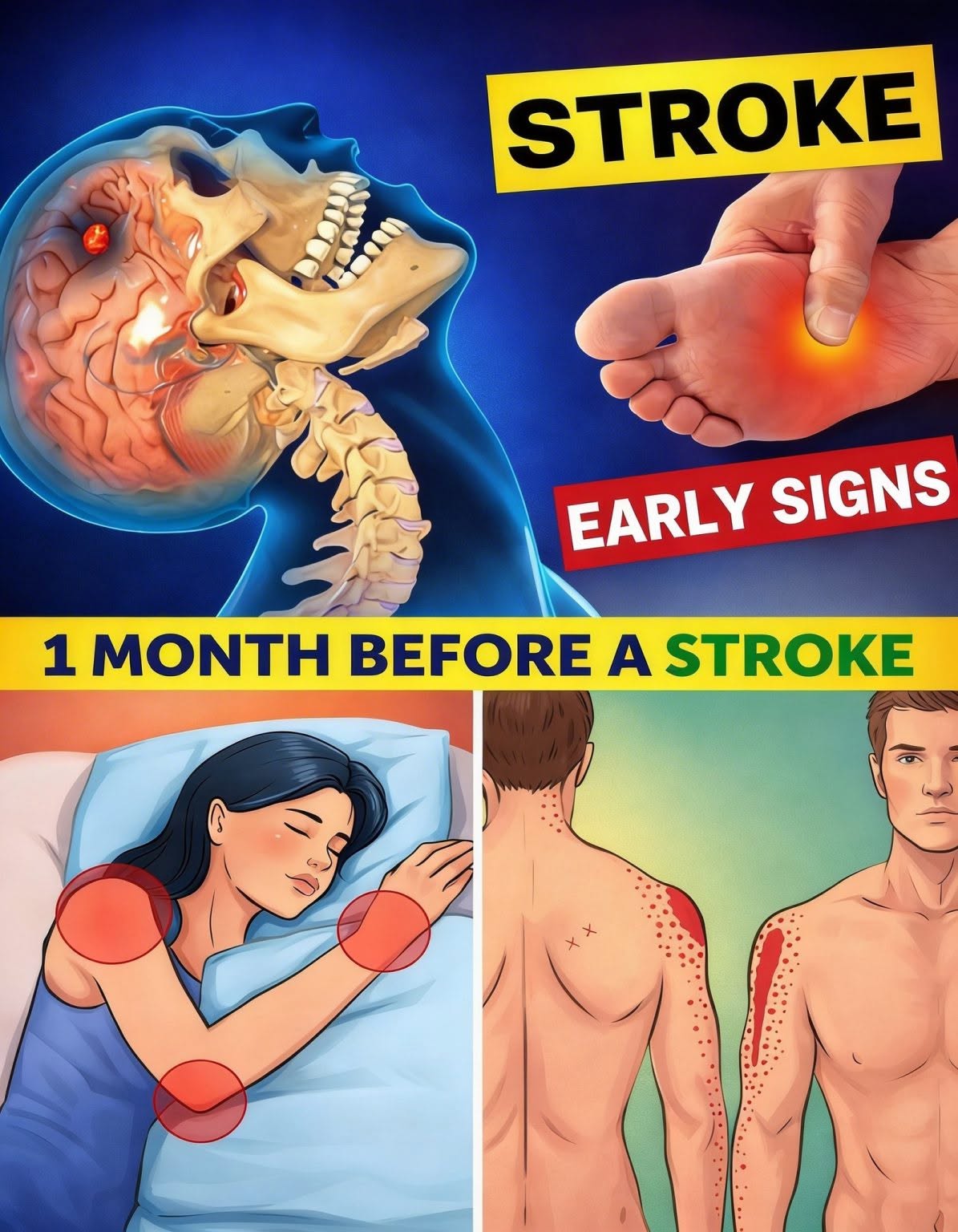
nine hours of sleep per night, although individual needs vary. If you snore loudly, wake up gasping, or remain unusually sleepy during the day, ask about possible sleep apnea, which is associated with increased cardiovascular risk.
9. Get Regular Checkups and Follow Prescribed Treatment
Some stroke risk factors can remain unnoticed for years.
Routine healthcare visits can help identify high blood pressure, elevated cholesterol, diabetes, irregular heart rhythms, and other conditions that may require treatment.
Atrial fibrillation, an irregular heart rhythm, is particularly important because it can allow blood clots
There’s more to discover. Continue to the next page for the rest of this article.