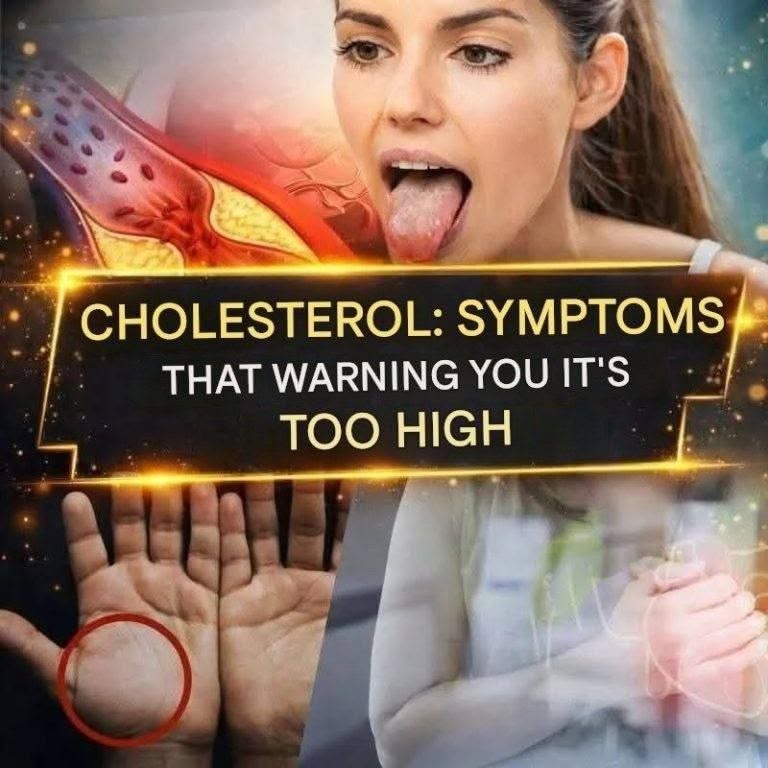
can sometimes provide clues to an inherited cholesterol disorder, while chest pain and stroke symptoms may indicate serious complications.
But none of these signs can replace a blood test.
The most helpful step you can take is to know your cholesterol numbers, discuss your risk with a healthcare professional, and make changes that support your heart health. Detecting a problem early gives you more opportunities to manage it before complications develop.
Your heart deserves attention even when you feel perfectly fine.
Medical disclaimer: This article is for educational purposes only
There’s more to discover. Continue to the next page for the rest of this article.