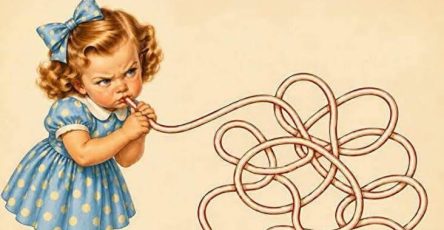
bladder. Symptoms may include a weak stream, difficulty starting, dribbling, or frequent nighttime urination.
4. Evening Drinks May Be Contributing
Drinking large amounts of fluid shortly before bed can increase the likelihood of waking to urinate. Caffeine and alcohol may also contribute.
You do not need to stop drinking water altogether. Staying hydrated is important; the goal is to distribute fluids sensibly throughout the day.
5. Your Medication May Play a Role
Diuretics, sometimes called water pills, increase urine production. The timing of these and other medicines can affect nighttime
There’s more to discover. Continue to the next page for the rest of this article.